04 November 2026
Why You Shouldn’t Delay Choosing a Garage Door Repair Service
Presented by @garagedoorrepairserviceedge
Garage doors are one of those things you barely think about until they stop working. Then suddenly your morning routine falls apart, your car is trapped inside, and you are left wondering who to call. A professional garage door repair service can solve most problems quickly, but the real trick is knowing when to call one and what to expect when you do.
Most residential garage doors operate on a simple system of springs, cables, rollers, and an electric opener. When one part fails, the whole thing can jam, sag, or refuse to move. The most common issues involve broken torsion springs, snapped cables, misaligned safety sensors, or a worn-out opener. Each of these problems has a different level of urgency and cost, and not every fix requires a full service visit. But many homeowners wait too long before bringing in a garage door repair service, and that delay often turns a small repair into a larger, more expensive one.
How Springs and Cables Work Together
Your garage door is heavy. A typical two-car steel door can weigh 300 to 400 pounds. The torsion spring system counterbalances that weight so you can lift the door by hand or with a small opener motor. When a torsion spring breaks, the door becomes dangerously heavy. You might hear a loud bang, and the door may slam down or refuse to open evenly. This is not a DIY fix for most people. Replacing torsion springs requires winding them under high tension, and one mistake can cause serious injury. A qualified technician knows how to safely replace springs and adjust the tension so the door tracks smoothly.
Cables are the other critical part of the lifting system. They run from the bottom bracket up to the drum on the opener. Over time, cables fray, especially if the door is out of balance. A frayed cable can snap without warning, dropping the door. Cable repair is straightforward for a professional, but if you ignore it, you risk damaging the door panels or the opener. Some cables are part of a system that also includes the bottom roller and track. If the cable breaks while the door is partially open, the door can twist and bind, requiring roller repair or even a full panel replacement.
Openers and Safety Sensors
The electric opener is the brains of the operation. Brands like LiftMaster, Genie, and Chamberlain dominate the residential market, and each has its own quirks. LiftMaster openers are known for their quiet belt-drive operation and MyQ smart garage technology. Genie offers the Aladdin Connect system for smartphone control. Chamberlain focuses on reliability and often integrates with home automation platforms. When an opener fails, the problem is sometimes a dead motor capacitor, a stripped gear, or a logic board issue. Opener repair can often be done on-site, but sometimes the unit needs to be replaced entirely.
Safety sensors are mandated on all modern garage door openers. They sit near the floor on both sides of the door and send an invisible beam across the opening. If the beam is broken while the door is closing, the door reverses direction. These sensors are prone to misalignment from vibration, accidental bumps, or temperature changes. When they malfunction, the door may refuse to close, or it may reverse for no reason. Cleaning the lenses and realigning the sensor brackets fixes most issues. But if the wiring is damaged or the sensors are old, replacement is the better route.
Panel Materials and Replacement
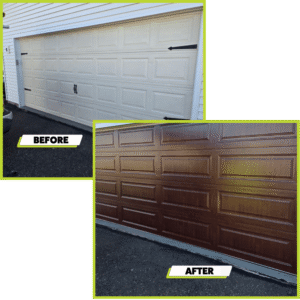
Garage door panels are made from steel, aluminum, wood composite, or fiberglass. Clopay, Amarr, Wayne-Dalton, Overhead Door, and Steel-Line are some of the major manufacturers. Each brand uses slightly different hinge and roller systems, so panel replacement is not always a swap-in job. You need to match the panel style, thickness, and insulation type to the existing door. If you have an older door from Sears or Craftsman, the panels may be discontinued, and you might have to replace the whole door. Panel replacement is a common request after a vehicle impact or storm damage, but it can also be needed if a panel rusts through or delaminates.
When only one or two panels are damaged, a good technician can order the exact parts and install them without touching the rest of the door. That keeps your cost down and preserves the door’s balance. But if the door is older than 15 years, the springs and cables are likely worn too. In that case, a full door replacement might be more practical than piecemeal repairs.
The Role of Smart Garage Technology
Smart garage openers let you monitor and control your door from a phone app. You can set schedules, receive alerts if the door is left open, and grant temporary access to delivery drivers. LiftMaster’s MyQ, Genie’s Aladdin Connect, and Chamberlain’s smart hubs are the most common systems. Smart garage technology is not just a convenience. It can alert you to a door that fails to close properly, which helps you catch a problem before it becomes a security risk or a repair issue. If your opener is not smart-compatible, you can often add a retrofit module. But if the opener itself is failing, upgrading to a smart model kills two birds with one stone.
One pitfall with smart systems is that they rely on your home Wi-Fi network and the sensor alignment. If your Wi-Fi drops or the sensors get knocked out of place, the app shows the door as open when it is actually closed, or vice versa. That can cause false alarms. Always verify the door position manually before assuming a problem. And if the app tells you the door is open but you see it closed, check the sensors first.
Seasonal Issues in Minneapolis and St. Paul
Weather affects garage doors more than most homeowners realize. In places like Minneapolis and St. Paul, the freeze-thaw cycle can shift the concrete floor and the door frame. That misaligns the track and causes the door to bind or scrape. Cold weather also thickens the lubricant on rollers and hinges, making the opener work harder. Extreme cold can even cause the opener’s limit switches to drift, so the door might not fully open or close. A good garage door repair service in this region will check the track alignment, replace worn rollers, and adjust the opener’s travel limits before winter sets in.
Humidity in the summer can cause wood composite panels to swell, making them hard to open. Steel panels can develop surface rust if the paint is chipped. Regular maintenance, like cleaning the tracks and lubricating the rollers with a silicone spray, helps prevent these problems. But if you hear grinding or squeaking, it is a sign that something is wearing out faster than it should.
When to Call a Professional
Some minor issues you can handle yourself. Cleaning the sensor lenses, tightening loose hardware on the track brackets, or lubricating the rollers are safe DIY tasks. But if the door is off balance, the springs are broken, the cables are frayed, or the opener is behaving erratically, it is time to call a garage door repair service. A professional can diagnose the root cause in minutes and fix it safely. Trying to adjust torsion springs or replace cables without the right tools and training can lead to injury or further damage.
Another scenario that calls for a pro is when the door is binding or scraping on one side. That usually means the track is bent or the brackets have pulled away from the wall. You might be tempted to hammer the track back into shape, but that often makes the problem worse. A technician will loosen the brackets, realign the track, and re-secure everything to the framing. That kind of work requires a level and a measuring tape, plus experience to get it right.
Choosing the Right Parts
Not all garage door parts are interchangeable. LiftMaster openers use a specific type of rail and sprocket. Genie uses a different screw-drive system. Chamberlain and Craftsman share some components, but not all. If you buy a replacement opener from a big-box store, you need to make sure the mounting hardware and the rail size match your existing door. Likewise, springs are rated by the weight of the door and the height of the door. Using a spring that is too strong or too weak throws off the balance and shortens the life of the opener. A professional garage door repair service stocks or can order the exact parts for your brand, whether it is Clopay, Wayne-Dalton, Overhead Door, Amarr, or Steel-Line.
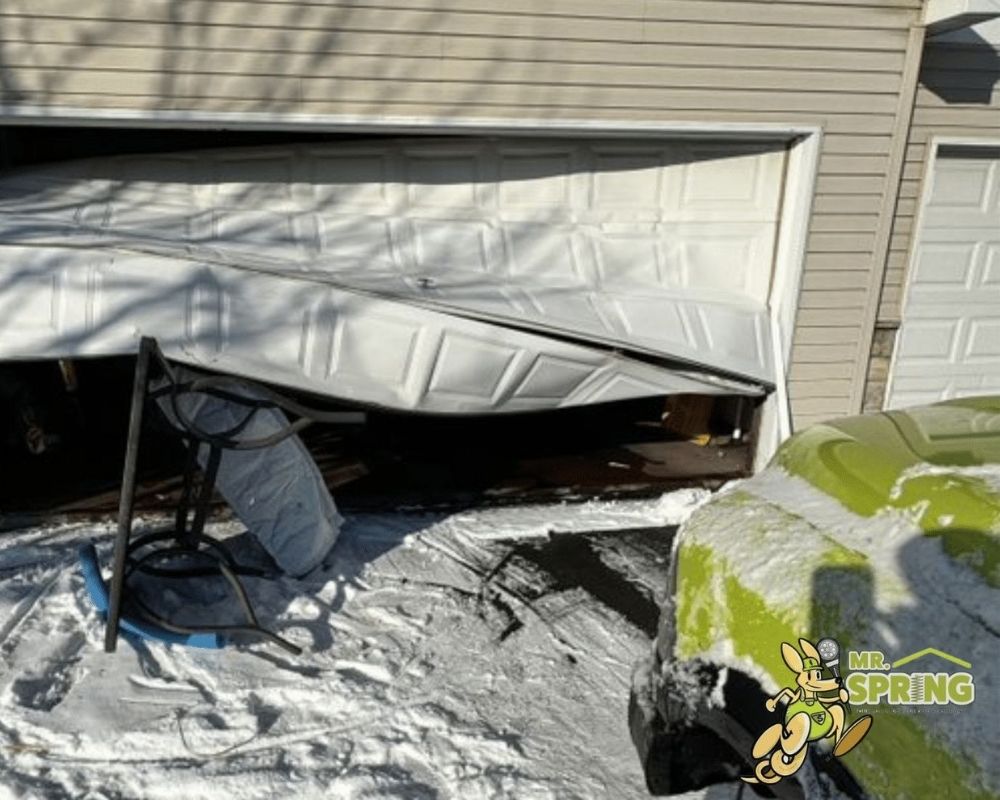
Panel replacement often involves matching the color, style, and insulation value. Steel-Line doors, for example, have a distinct panel profile that is different from Clopay. If you mix brands, the door looks mismatched. A good technician can source the exact panel or recommend a close match. In some cases, it is better to replace all the panels on the door so the finish is uniform.
Final Thoughts
Garage door problems rarely announce themselves politely. They happen at the worst time, like when you are already late for work or when a storm is rolling in. Knowing what to look for and when to call a garage door repair service can save you time, money, and frustration. The key is to pay attention to the signs: unusual noises, jerky movement, a door that reverses for no reason, or a visible gap between the door and the floor. Address those signs early, and your door will serve you reliably for years. Ignore them, and you will likely end up with a bigger repair bill and a lot more hassle.